
PSYCHOLOGICAL SAFETY
Build a Workplace Where People Feel Safe to Speak Up
Psychological safety helps people ask questions, raise concerns, share ideas and ask for support without fear of being dismissed, embarrassed or ignored.
Psychological Safety Shows Up in Everyday Workplace Moments

People Can Raise Concerns
People Can Raise Concerns
People Can Raise Concerns
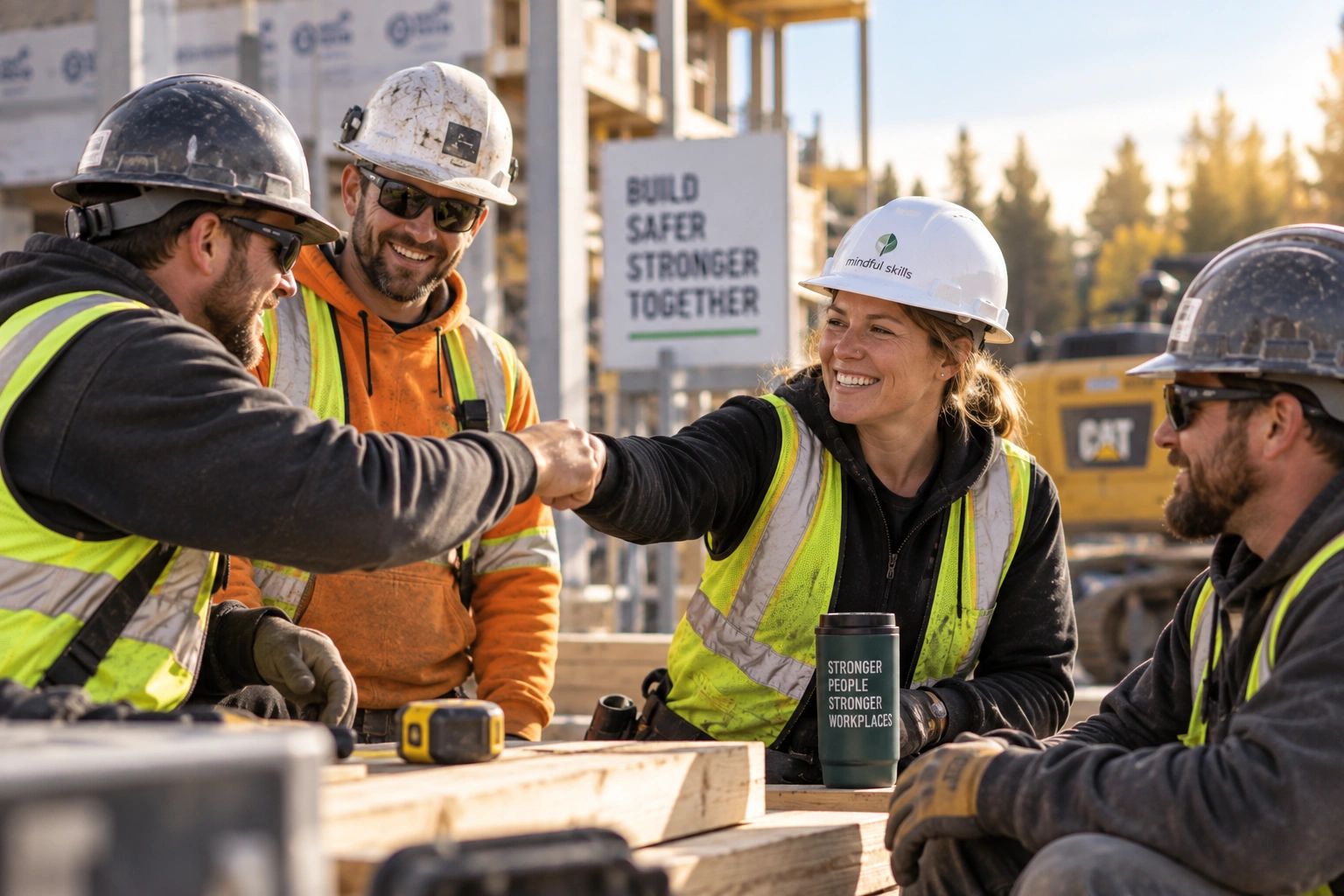
Workers feel comfortable speaking up when they notice a safety issue, workplace challenge or something that doesn't feel right.
Questions Are Welcomed
People Can Raise Concerns
People Can Raise Concerns
People can ask for clarification, admit they don't understand something and seek help without worrying about being judged.
Mistakes Become Learning Opportunities
Mistakes Become Learning Opportunities
Mistakes Become Learning Opportunities
Teams can talk openly about what went wrong and focus on learning, improvement and prevention rather than automatically assigning blame.
Difficult Conversations Can Happen
Mistakes Become Learning Opportunities
Mistakes Become Learning Opportunities
Leaders and team members have the skills and confidence to address conflict, stress and challenging situations respectfully.
Practical Support for Building Psychological Safety
Creating psychological safety takes more than awareness. It requires practical skills, honest conversations and workplace strategies that people can actually use.
Workplace Training & Workshops
Give teams practical tools for communication, speaking up, managing difficult conversations and supporting one another.
Leadership & Team Development
Help leaders understand the conditions that allow people to contribute, raise concerns and participate more openly.
Practical Workplace Support
Work with organizations to identify barriers to psychological safety and develop realistic strategies that fit their people, culture and work environment.
Practical, Human and Built for the Real Workplace
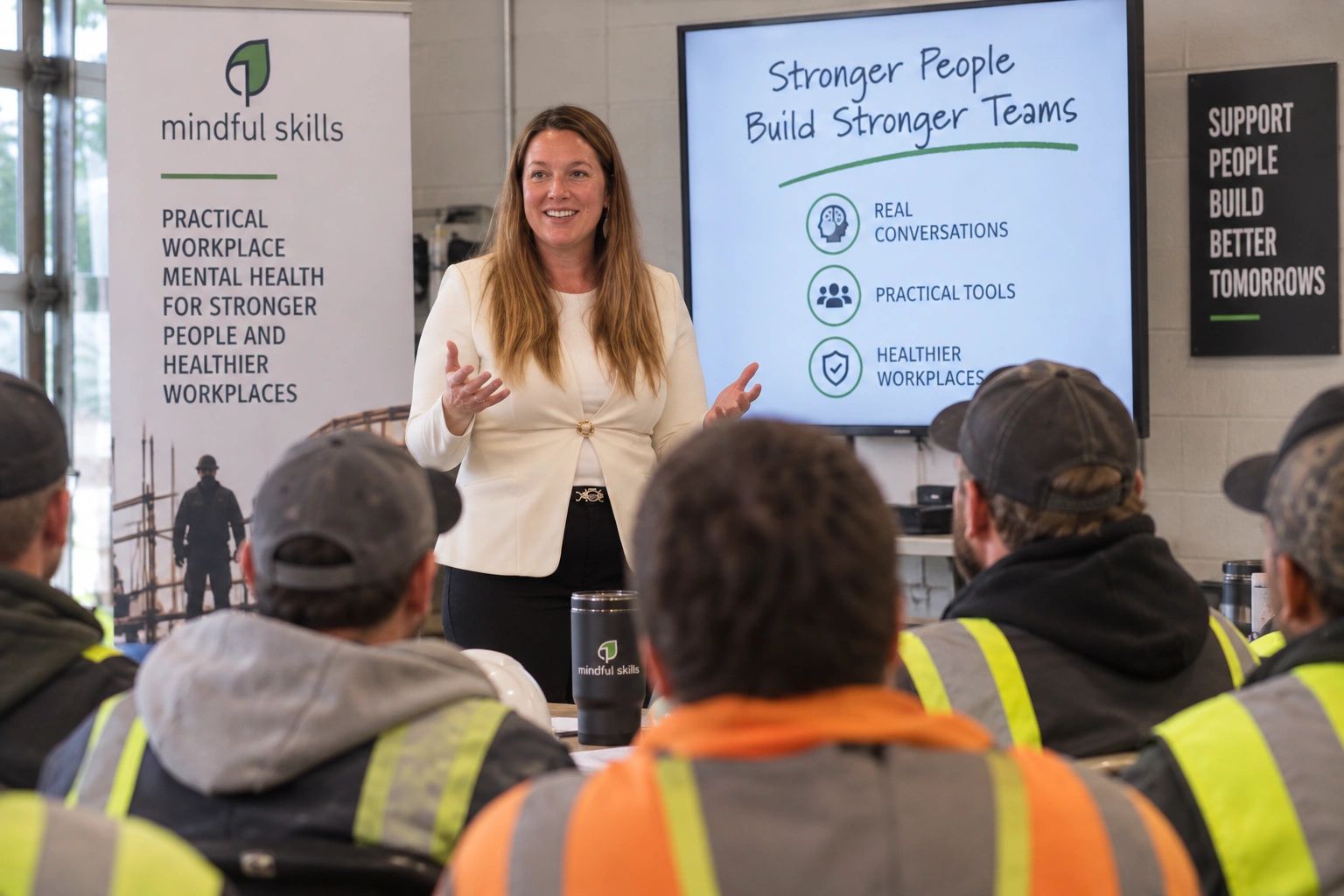
Psychological safety isn't created through a single presentation or a checklist. It develops through everyday behaviours, conversations and leadership practices. Katie helps organizations turn these ideas into practical skills people can use at work.
Practical Over Theoretical
Tools and strategies are designed to work in real workplaces — including the pressures, personalities and challenges teams face every day.
People-Centred
Every workplace is different. Katie works with the people, culture and circumstances of each organization rather than applying a one-size-fits-all approach.
Skills That Last Beyond the Session
The goal is to give people practical skills they can continue using long after a workshop, training session or conversation ends.
Psychological Safety for Teams That Do Real Work

Trades & Construction Teams
Support open communication around safety, stress, mistakes, workload and day-to-day challenges.
Supervisors & Leaders
Develop practical skills for creating environments where people feel comfortable raising concerns and asking for support.
Organizations & Employers
Build healthier workplace cultures where communication, trust and psychological safety are part of everyday practice.
Colleges & Training Environments
Help students and emerging workers develop communication, resilience and mental health skills before entering the workforce.
Practical Ways to Build Psychological Safety
Workshops & Training
Customized Workplace Support
Speaking & Presentations
Interactive sessions that give teams practical tools for communication, speaking up, managing stress and supporting one another.
Speaking & Presentations
Customized Workplace Support
Speaking & Presentations
Engaging presentations that introduce psychological safety and workplace mental health in a way that connects with real-world experiences.
Customized Workplace Support
Customized Workplace Support
Customized Workplace Support
A tailored approach for organizations looking for deeper support around workplace culture, communication, leadership or psychological health and safety.
Create a Workplace Where People Feel Safe to Speak Up
Psychological safety starts with the everyday conversations, behaviors' and choices that shape how people experience work.
Whether you're looking for a workshop, presentation or more tailored support, Katie can help you find a practical starting point for your organization.